TonicNest may earn a commission if you buy through links on this page, at no extra cost to you. That does not change what we report.
Part of our LeanBiome overview. Last checked October 27, 2026.
LeanBiome side effects are most likely to be mild gas, bloating or stomach upset, the effects NCCIH lists for probiotics in healthy people[1]. Two rarer cautions matter more: probiotics in people who are immunocompromised, and green tea extract and the liver. NCCIH estimates 5 to 15% of Americans carry a gene variant that raises susceptibility to green tea liver injury[2]. The views in this guide are our own.
Is LeanBiome safe? Safety at a glance
For most healthy adults, LeanBiome's ingredients have a mild side-effect record in trials, but the biggest caution comes first: anyone who is immunocompromised or severely ill should not start it without a doctor. NCCIH reports rare serious infections from probiotics in that group and in premature infants[1].
The second caution is the 300 mg green tea phytosome. Liver injury from green tea extract is uncommon and comes mainly from capsules and tablets[2]. The third is ordinary stomach upset in the first weeks.
On the record side, checked October 27, 2026: openFDA showed no food recalls for Lean for Good, and the FDA adverse event database (CAERS) returned no reports naming LeanBiome. We did not check FDA warning letters. No long-term human safety data exist for the formula itself.
The sales page describes the product as "FDA-inspected", made under cGMP, "3rd party tested" and "Doctor Formulated". It names no facility, testing lab or doctor, so we could not verify any of those statements. They remain the vendor's claims until a certificate or lab report is published.
What side effects are possible?
The possible side effects fall into three groups: digestive upset, which is common and mild; rare reactions in vulnerable people; and effects that depend on medicines you already take.
Digestive
Probiotics can cause mild gas or bloating[1], and inulin adds the same effect at higher intakes. NCCIH lists nausea, constipation and abdominal discomfort for green tea extract[2]. Watch for this in the first week or two. If it does not settle, stop and check with a doctor or pharmacist. People with IBS or FODMAP sensitivity may not tolerate inulin.
Sensitivity and vulnerable groups
Serious probiotic infections are rare and are reported in people who are severely ill or immunocompromised[1]. Green tea extract can raise blood pressure in some people[2].
Medication-related
Green tea extract and mangosteen have documented interactions, listed below. Antibiotics taken at the same time may kill the probiotic bacteria.
Which ingredients deserve extra attention?
Green tea extract and the probiotics carry the main safety notes, and the Sphaeranthus and mangosteen pair has the least long-term data. The table uses only what our sources state.
| Ingredient (label dose) | Safety issue | Why it matters |
|---|---|---|
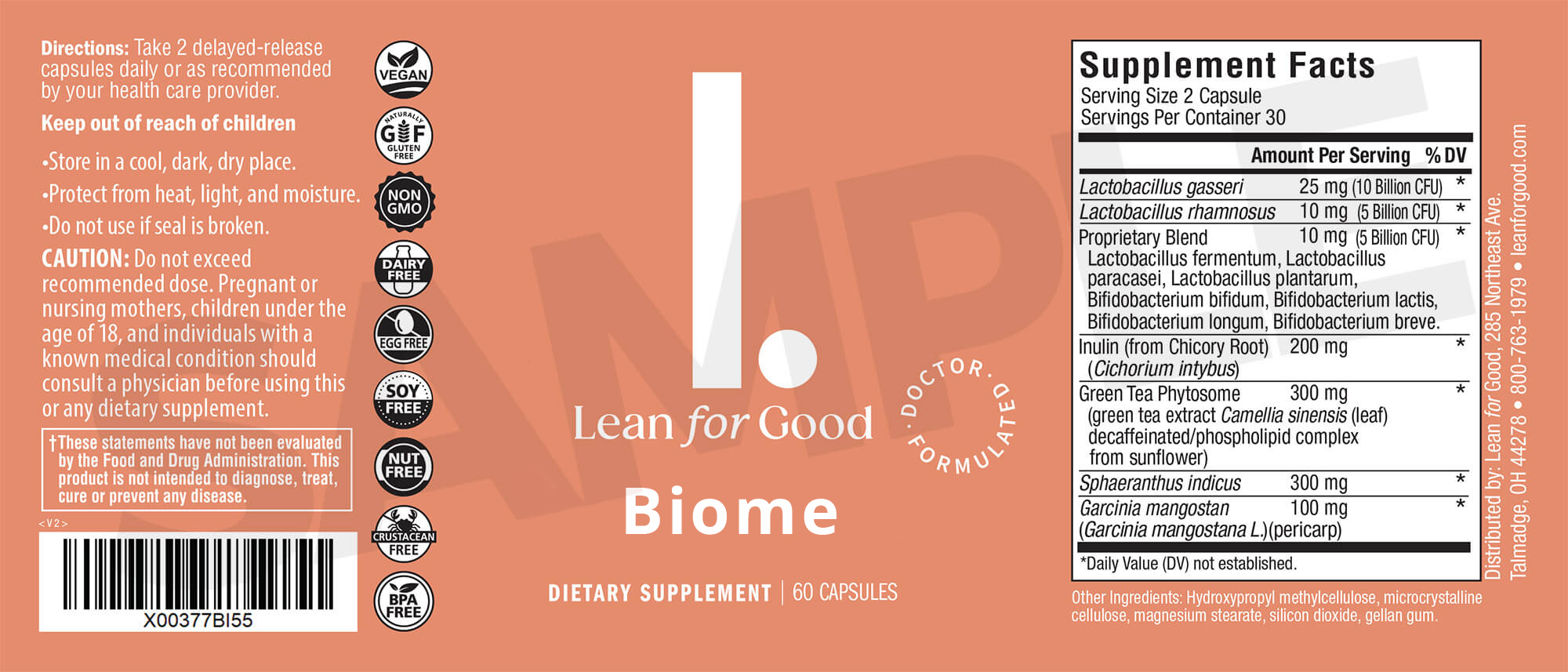
| 9 probiotic species (20 billion CFU) | Rare serious infections in the severely ill or immunocompromised[1] | Strains are unnamed, so strain-level safety data cannot be matched |
| Green tea phytosome (300 mg) | Uncommon liver injury, dose-dependent and worse with bolus or fasting doses[3] | EGCG is not on the label, and the label suggests taking it before breakfast |
| Inulin (200 mg) | Gas and bloating | Adds to the probiotic effect early on |
| Sphaeranthus indicus (300 mg) | No major adverse events in 8-week trials[4] | No long-term human data; no data in pregnancy |
| Mangosteen (100 mg) | One case of severe lactic acidosis after 12 months of daily mangosteen juice[5] | Single report, juice rather than capsule |
One piece of arithmetic helps: whatever its EGCG content, the phytosome weighs 300 mg in total, which is below the 338 mg of EGCG a day that a review of 159 human studies called safe for solid doses[3]. That does not cover people with the gene variant or liver disease.
Which medicines could interact?
Bring this list to a pharmacist before you start. These are the groups our sources name, and no interactions are documented for Sphaeranthus, which is a gap in the research, not proof of safety.
- Nadolol and atorvastatin: green tea lowers their blood levels[2].
- Raloxifene: NCCIH notes an interaction with green tea[2].
- Chemotherapy: mangosteen's antioxidant effects may interfere with some regimens[6], and probiotics call for caution during chemotherapy.
- Cyclosporine and tacrolimus: possible additive effect with mangosteen[6].
- Immunosuppressants, or a central line: probiotic infection caution[1].
- Antibiotics: may kill the probiotic bacteria; space the doses apart.
Lab studies also show mangosteen inhibiting CYP liver enzymes, which handle many drugs[6].
Pregnancy, breastfeeding and who should ask a doctor first
These groups should get a doctor's go-ahead before taking LeanBiome:
- anyone pregnant or breastfeeding, since Sphaeranthus has no safety data in either
- people who are immunocompromised, on chemotherapy, have a central line or are seriously ill
- anyone with liver disease or past liver problems from supplements
- people taking any medicine listed in the section above
- people with IBS or a FODMAP-sensitive gut
- people who already take another green tea extract product
The label lists no allergens from gluten, dairy, soy, nuts, eggs or crustaceans[7]. Our LeanBiome ingredients breakdown shows every dose.
Which symptoms need a doctor right away?
Stop LeanBiome and see a doctor right away if you notice:
- yellow skin or eyes, dark urine, pale stools or pain under the right ribs
- unusual tiredness with nausea or loss of appetite
- fever or chills while immunocompromised or on chemotherapy
- severe stomach pain, or vomiting or diarrhea that will not stop
- swelling of the face, lips or throat, or trouble breathing
- rapid breathing with weakness or confusion
Call 911 for trouble breathing or signs of a severe allergic reaction.
Safety conclusion
LeanBiome's label is short and fully dosed except for the probiotic blend, and its likely side effects are mild and digestive. The cautions that matter are immune status, liver health and the medicines named above. The 180-day refund counts from the order date and opened bottles need not be returned, so stopping early costs little. Our LeanBiome dosage guide covers timing and tracking, and does LeanBiome work sets out what to expect.
Back to the LeanBiome overview.
Frequently asked questions
Does LeanBiome cause bloating?
It can. Probiotics commonly cause mild gas or bloating, and LeanBiome also contains 200 mg of inulin, a fiber with the same effect. Watch for it in the first week or two, and stop and ask a doctor if it does not settle.
Is LeanBiome safe for your liver?
The FDA adverse event database (CAERS) held no reports naming LeanBiome on October 27, 2026. Its decaffeinated green tea extract carries an uncommon liver injury risk, so people with liver disease should ask a doctor first.
Can I take LeanBiome if I am immunocompromised?
Only with your doctor's approval. NCCIH reports rare serious infections from probiotics in people who are severely ill or immunocompromised. That includes people on chemotherapy or immunosuppressants and people with a central line.
Can I take LeanBiome while pregnant or breastfeeding?
Ask your doctor first. Sphaeranthus indicus, one of its herbs, has no safety data in pregnancy or breastfeeding, and no study has tested LeanBiome in either group. Bring the label to your appointment so your doctor can see every dose.
Can I take LeanBiome with antibiotics?
Antibiotics taken at the same time may kill the probiotic bacteria, so space the doses apart and ask your pharmacist how far. No other specific drug interaction is documented for the probiotics themselves.
Sources
- Probiotics: What You Need To Know. NCCIH (NIH), read October 27, 2026.
- Green Tea. NCCIH (NIH), read October 2, 2026.
- Hu et al. 2018, safety review of green tea catechins in 159 human studies. PubMed, read October 2, 2026.
- Stern et al. 2013, pooled Meratrim trials, n=100. PubMed, read October 27, 2026.
- Case report of lactic acidosis after daily mangosteen juice. PubMed, read October 2, 2026.
- Mangosteen. Memorial Sloan Kettering Cancer Center, read October 2, 2026.
- Biome (LeanBiome) bottle label with Supplement Facts. Lean for Good, read October 27, 2026.
This page is general information, not medical advice. Dietary supplements are not reviewed by the FDA for safety or effectiveness before they are sold and are not intended to diagnose, treat, cure or prevent any disease. Talk to your doctor before taking any supplement, especially if you are pregnant, nursing, take medication or have a health condition.